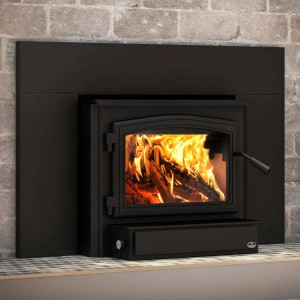
Shopping for a wood fireplace insert that turns an old, drafty fireplace into a high‑efficiency heater? You’re in the right place. Our curated lineup features EPA‑certifiedwood burning inserts from
Osburn,
Whether you’re after the best wood stove insert for a 1,200 sq ft cabin or the best wood fireplace insert for an open‑plan ranch, every unit listed here is backed by real‑world installation data from hundreds of projects nationwide—and most ship in 3 business days or less. Scroll down for side‑by‑side comparisons, FAQs, and pro tips that help first‑time buyers become confident owners.
8 Key Factors Before You select the Best Wood‑Burning Insert
1. Firebox Opening & Surround Clearances. Measure your masonry fireplace (width × height × depth) at both front and rear. A wood fireplace insert needs ½″–1″ air gap around the firebox plus room for a surround panel.
2. Heating Goal & Square Footage. Match BTU output to the room you actually heat. A 60,000 BTU wood stove insert can overwhelm a 1,000 sq ft bungalow but underperform in a 1970s split‑level. Aim for 25–30 BTU per sq ft, then adjust for insulation and ceiling height.
Heating Goal & Square Footage – Match your wood stove insert's BTU output to your home's heating needs.
3. Chimney Liner & Draft. Modern wood inserts require a 6″ stainless liner the full chimney height to maintain draft and reduce creosote. Oversized flues stall draft and void warranties.
4. Catalytic vs Non‑Catalytic. Catalytic inserts deliver 10–12 hour burns with emissions below 1.0 g/hr. Non‑cats ignite faster and show livelier flames. Hybrid options give you both.
5. EPA Emissions & 30 % Tax Credit. Inserts tested at ≥ 75 % HHV unlock the Federal 25(C) Biomass Credit—worth up to $2,000 annually. All models in our guide meet 2020 EPA standards of ≤ 2.5 g/hr.
EPA Emissions & 30 % Tax Credit – See how modern wood inserts qualify for efficiency standards and valuable tax incentives.
6. Blowers & Heat Distribution. Inserts sit flush, so radiant output is limited. A variable‑speed blower lifts convection by 30 % and evens temperatures down hallways.
7. Installation Permits & Surround Finishes. Most jurisdictions require a mechanical permit and final inspection. Choose stainless or powder‑coated surround panels that complement existing stone or brick.
8. Maintenance & Fuel Quality. Sweep the liner annually, replace door gaskets every 3–4 years, and burn seasoned hardwood (< 20 % moisture) for clear glass and peak efficiency.
*“Tax Credit” indicates ≥ 75 % HHV efficiency for Federal 25(C) Biomass eligibility.
Frequently Asked Questions About the Best Wood‑Burning Inserts
2. Catalytic vs non‑catalytic: which insert is better?
Catalytic models re‑burn smoke for 12‑hour heat and ultra‑low emissions. Non‑cats ignite quicker with livelier flames. If you’re a full‑time burner, go catalytic; for weekend ambiance, choose non‑cat.
4. What chimney liner do I need?
A 6″‑diameter stainless steel liner (UL 1777) is required for most modern inserts. It ensures proper draft and keeps creosote off masonry walls.